
Keeping Your Toledo Basement Dry: Top Waterproofing Strategies
A consistently damp basement can seriously harm your home’s structure, encourage mold, and waste energy, especially in Toledo’s challenging freeze-thaw climate. This guide dives deep into why water gets in, how to stop it from the inside and outside, fix foundation cracks, seal crawl spaces, install smart drainage, help you decide the best approach, and cover costs and payment options. With over two decades of experience right here in Toledo, TAF Basement Waterproofing delivers custom solutions to keep your basement dry, healthy, and strong. We understand the unique challenges of a wet basement in our region.
Why Your Toledo Basement Is Wet: Identifying the Culprits
Causes of Basement Water Problems in Toledo
Water in Toledo basements usually comes from three main sources:
- Groundwater pushing against your foundation walls due to pressure.
- Cracks in your foundation that let water seep in.
- Poor drainage around your house and uneven ground sloping towards it.
These issues, combined with Ohio’s typical rain and snowmelt, create a perfect storm for water intrusion, leading to soggy floors and weakened foundations. Our team is dedicated to addressing the root causes of basement moisture.
Common Basement Water Issues in Toledo
Basement water problems in Toledo often stem from hydrostatic pressure, foundation cracks, and inadequate surface drainage. These factors combine with Ohio’s seasonal rain and snowmelt to accelerate water intrusion, leading to wet floors and compromised foundations.
This section highlights the main reasons water infiltrates Toledo basements, setting the stage for why waterproofing is crucial.
Signs Your Basement Needs Waterproofing
Keep an eye out for these red flags:
- Walls or floors that stay damp long after it rains.
- Visible mold or mildew on walls and ceiling beams.
- A persistent musty smell indicating trapped moisture.
- White, powdery mineral deposits (efflorescence) on concrete.
- Tiny cracks appearing in your foundation walls or floor.
Catching these signs early means you can act fast before bigger problems develop. Addressing these early indicators is key to preventing significant basement water damage.
Early Warning Signs Your Basement Needs Waterproofing
Homeowners should watch for persistent wall or floor dampness after rain, visible mold or mildew, musty odors, efflorescence, and hairline cracks in foundation walls or floors. Noticing these symptoms early allows for prompt intervention before structural damage worsens.
This part lists the tell-tale signs that your basement is signaling a need for waterproofing, helping homeowners spot potential issues.
How Hydrostatic Pressure Threatens Your Basement Foundation
Hydrostatic pressure is the force groundwater exerts on your foundation walls. When the soil around your home gets saturated, this pressure can push water through concrete, warp walls, and force moisture inside. Relieving this pressure with proper drainage and grading is key to stopping constant leaks and keeping your foundation solid.
Effective Interior Basement Waterproofing Methods
Interior waterproofing tackles water that’s already made its way into the basement, guiding it into a controlled system for removal. This keeps your basement dry, protects your finishes, and supports the overall health of your home. Our approach to waterproofing basement walls from the inside is highly effective.
How Interior Drainage Systems Keep Basement Water at Bay
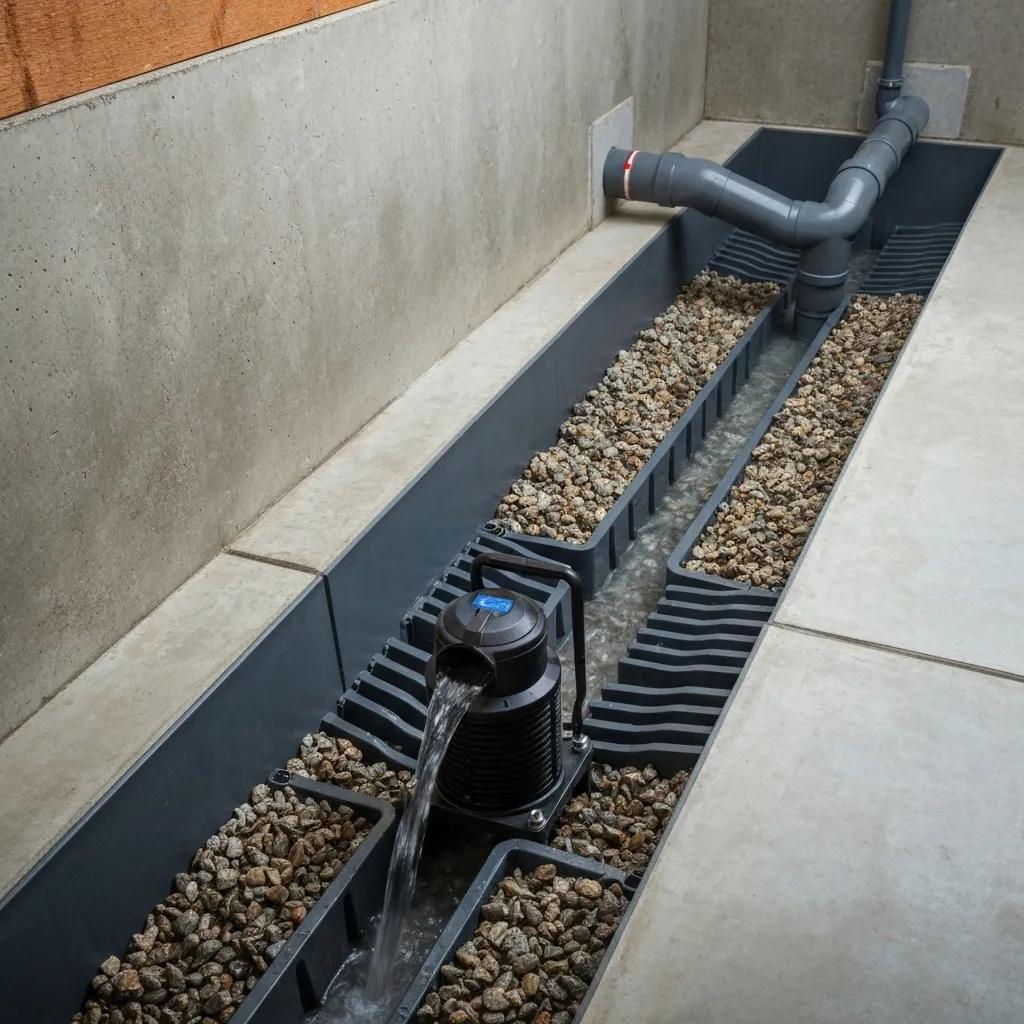
These systems capture water as it enters the basement perimeter and direct it to a sump pump. A trench drain, also known as a french drain, uses a perforated pipe surrounded by gravel to catch seepage from foundation walls. This collected water flows into a sump pit, where the pump then pushes it safely away from your house.
Interior Drainage Systems for Basement Water Control
Interior drainage systems collect water entering the perimeter of the basement and channel it toward a sump pump. A trench—or french drain—lined with gravel and perforated pipe captures seepage from foundation walls. Collected water flows under a shallow concrete channel into a sump basin, where the pump expels it away from the home.
This section explains the mechanics of interior drainage systems, including french drains and sump pumps, in managing basement water.
Sump Pump Installation and Upkeep
A sump pump system automatically removes water to prevent flooding. Here’s what to consider:
- Choosing between pedestal or submersible pumps based on your pit size.
- Adding a battery backup so it works even during power outages.
- Regularly checking that the float switch works, cleaning out debris, and ensuring the discharge pipe is clear.
Consistent maintenance ensures your pump is ready to go when groundwater levels rise.
Effectiveness of Basement Wall Sealants and Waterproofing Membranes
These products create a barrier to stop moisture from getting through your basement walls. Common options include:
- Coatings made of cement that bond directly to masonry.
- Flexible sealants that can move with the wall.
- Sheet membranes applied to joints and the base of walls.
While sealants can reduce dampness, they’re most effective when used with drainage systems, as they don’t solve the problem of water pressure behind the walls.
When Interior Waterproofing Is the Best Choice
Interior waterproofing is a great option when:
- Digging outside your home is too expensive or not allowed.
- You need a fast fix for surface water leaks.
- You can’t change the grading around your foundation.
Interior systems manage water inside, but combining them with exterior solutions often provides the most complete protection.
Top-Notch Exterior Foundation Waterproofing Solutions
Exterior waterproofing stops water at its source by creating a waterproof barrier and directing surface water away from your foundation. We are a leading basement waterproofing expert in Toledo, specializing in comprehensive exterior solutions.
How Exterior Waterproofing Membranes Protect Basement Walls
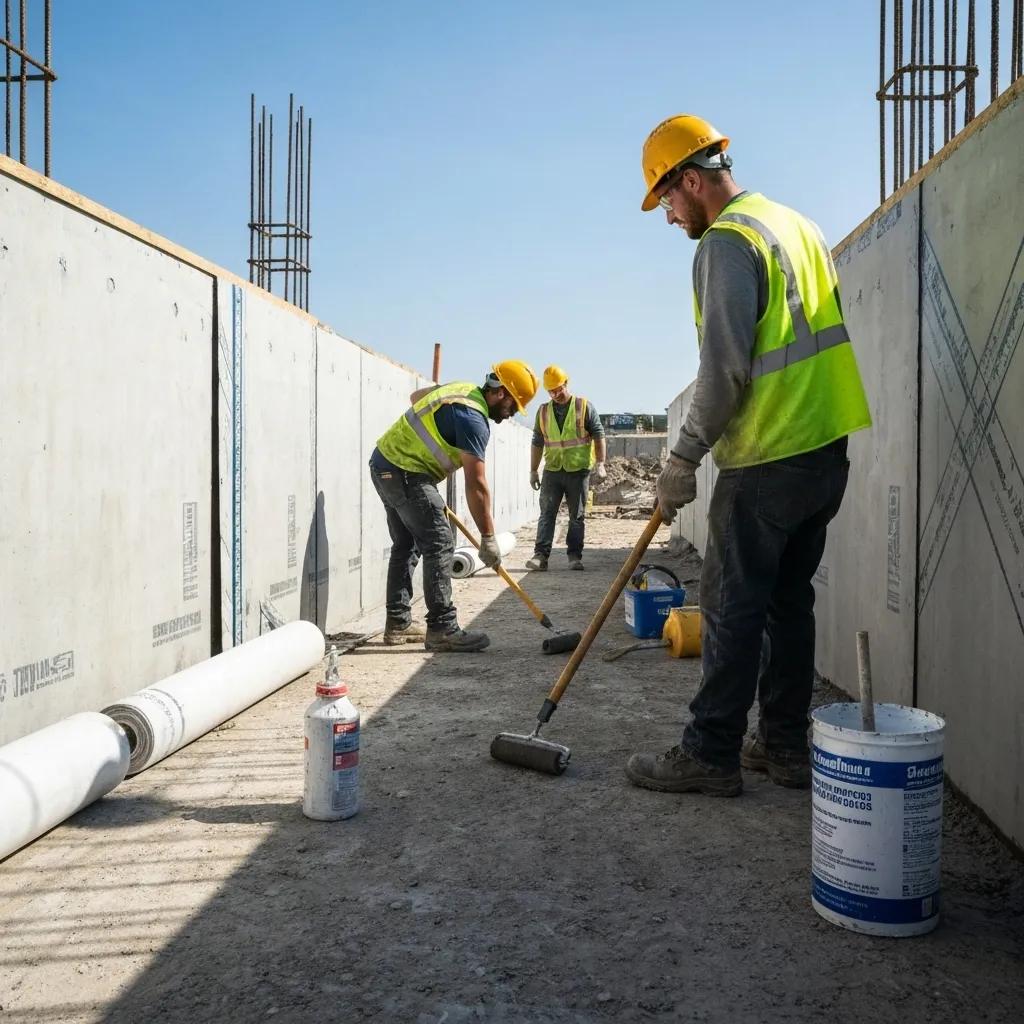
These membranes are sticky, waterproof sheets or spray-on coatings applied to the outside of your foundation before the soil is backfilled. Covering the walls from top to bottom prevents groundwater from reaching the masonry and reduces the buildup of hydrostatic pressure. This is a crucial part of effective exterior basement waterproofing.
Exterior Waterproofing Membranes Explained
Exterior membranes consist of sticky, waterproof sheets or spray-applied coatings that seal foundation exteriors before backfilling. By covering poured concrete or block walls down to the footing, they prevent groundwater from contacting masonry and reduce hydrostatic pressure buildup.
The Importance of Proper Yard Grading for Basement Waterproofing
Sloping the ground away from your foundation by at least six inches over ten feet ensures rainwater flows away instead of towards your walls. Correct grading diverts surface water, blocking a major entry point and reducing the strain on your waterproofing systems.
How Exterior Drainage Systems Like French Drains Function
A french drain installed at the base of your exterior foundation walls uses a perforated pipe in gravel to collect groundwater and send it away from the house. This system relieves hydrostatic pressure, protecting your foundation from moisture in the soil.
Upsides and Downsides of Exterior Waterproofing
Before choosing exterior methods, weigh the pros and cons.
These solutions offer long-term protection when installed properly, though they might cause more initial disruption than interior methods.
Foundation Crack Repair for Enhanced Basement Waterproofing
Fixing cracks in your foundation restores its strength and seals off new water entry points, working hand-in-hand with your waterproofing systems. Our team expertly handles foundation crack repair to ensure a completely waterproof basement.
Causes of Foundation Cracks in Toledo Basements
Foundation cracks typically result from:
- Cycles of freezing and thawing that cause soil to expand and contract.
- Constant hydrostatic pressure from groundwater.
- Footings settling due to uneven or poorly compacted soil.
Addressing the root causes is vital for maintaining structural stability and ensuring your waterproofing works effectively.
Best Ways to Repair Foundation Cracks
Different methods use different materials and techniques:
Foundation Crack Repair Methods
Foundation crack repair techniques differ in material and application, including epoxy and polyurethane injection. By injecting epoxy or polyurethane into each fissure, technicians block seepage and reinforce the concrete, fortifying walls against future movement.
How Crack Repair Stops Water Intrusion and Structural Damage
By injecting epoxy or polyurethane into cracks, we seal them up and strengthen the concrete. This not only stops leaks but also makes the walls more resistant to future movement, protecting your basement’s appearance and the foundation’s integrity.
Benefits of Crawl Space Encapsulation for Moisture Control
Encapsulating your crawl space seals off the air and soil beneath your home, preventing moisture from spreading and improving your home’s air quality. This is another vital step in managing overall basement moisture.
How Crawl Space Encapsulation Works
This process involves covering the crawl space floor and walls with a heavy-duty vapor barrier, then sealing all vents and openings. This barrier stops soil moisture from entering your home’s living areas and sets the stage for controlled climate management.
Role of Dehumidifiers in Crawl Space Moisture Control
A dehumidifier removes any lingering moisture trapped in the crawl space after encapsulation. Keeping humidity below 50% prevents mold growth, protects wooden structures, and stops musty odors from reaching your living spaces.
How Encapsulation Improves Indoor Air Quality and Saves Energy
Sealing the crawl space prevents damp soil gases and mold spores from entering your HVAC system. This means healthier air inside your home and less energy used for heating and cooling, leading to greater comfort and lower utility bills.
Benefits of Crawl Space Encapsulation
Crawl space encapsulation isolates the air and soil beneath the home, preventing moisture migration and improving indoor air quality. Sealing the crawl space prevents damp soil gases and mold spores from entering the HVAC system, translating into healthier indoor air and lower heating and cooling loads.
How Advanced Drainage Systems Work Together
Purpose of a French Drain in Basement Waterproofing
A french drain intercepts groundwater around your foundation. Using gravel and a perforated pipe, it captures and redirects water away from your home, reducing hydrostatic pressure and guiding water towards a sump pit.
How a Sump Pump Works with French Drain Systems
When water collects in the sump pit—often fed by the french drain—the sump pump kicks in to discharge the water above the frost line and away from your foundation. This two-step process prevents saturation and keeps your basement consistently dry.
Maintenance for These Drainage Systems
To keep your drainage systems working smoothly, follow these steps:
- Check and clear debris from gravel trenches and outlet pipes once a year.
- Test the sump pump’s float switch and motor every spring.
- Make sure discharge lines aren’t blocked by ice in the winter.
Regular upkeep ensures continuous protection, even during heavy rains or rapid snowmelt.
Choosing the Right Basement Waterproofing Solution for Your Toledo Home
Picking the best waterproofing strategy involves looking at your specific situation, budget, and long-term goals. We specialize in basement waterproofing Toledo and are committed to finding the perfect solution for your home. As your trusted basement waterproofing expert, we ensure your home is protected.
Factors Guiding Your Waterproofing Method Choice
Key things to consider include:
- Where the water is coming from (surface runoff or groundwater).
- Your foundation type (poured concrete or block walls).
- Your budget for the initial work and ongoing upkeep.
Thinking about these factors helps you find a solution that balances effectiveness with cost and disruption.
Why a Combination of Interior and Exterior Methods Is Often Best
Combining exterior membranes and drainage with interior sump pump systems tackles water both outside and inside the foundation wall. This layered approach offers backup protection, significantly reducing the chance of leaks in various weather conditions. This comprehensive strategy is essential for preventing basement water damage.
When Professional Waterproofing Is Necessary Over DIY
DIY fixes might work for minor leaks or simple sealant jobs. However, complete waterproofing—especially involving digging, complex drainage, or structural crack repair—requires professional expertise for proper installation and guaranteed results.
How TAF Basement Waterproofing Adapts Solutions for Toledo’s Climate
TAF Basement Waterproofing uses materials and methods proven effective in northwest Ohio’s freeze-thaw conditions. We select frost-resistant membranes, corrosion-proof drainage parts, and pumps designed for cold weather to ensure our experienced basement waterproofing Toledo stands up to Toledo’s seasonal challenges.
Typical Costs and Financing for Toledo Basement Waterproofing
Understanding the investment and available financing makes professional waterproofing accessible and straightforward. Our team is dedicated to providing transparent pricing for our basement waterproofing Toledo services. We aim to make achieving a waterproof basement achievable for all homeowners.
Average Cost for Interior and Exterior Waterproofing
Basement waterproofing costs vary by method:
- Interior drainage and sump pump installation: $3,000–$7,000
- Exterior membrane and excavation: $8,000–$15,000
- Foundation crack repair (per crack): $300–$500
These price ranges depend on your home’s size, soil conditions, and the complexity of the system.
Cost of Basement Waterproofing in Toledo
Basement waterproofing costs vary by method, with interior drainage and sump pump installation ranging from $3,000–$7,000, exterior membrane and excavation from $8,000–$15,000, and foundation crack repair (per crack) from $300–$500. These ranges depend on home size, soil conditions, and system complexity.
How Foundation Crack Repair Impacts Overall Waterproofing Costs
Adding epoxy or polyurethane injections typically increases total project costs by 5–10%. This investment seals leaks and extends the lifespan of both interior and exterior waterproofing systems.
Financing and Payment Plans Offered by TAF
TAF Basement Waterproofing offers flexible payment options, including low-interest financing and payment plans. With free on-site estimates and no-obligation consultations, homeowners can plan their budget without sacrificing quality.
Return on Investment for Professional Basement Waterproofing
A professionally waterproofed basement can increase your home’s value by making it more attractive to buyers and preventing future water damage repairs. Homeowners often see a return on their investment through higher resale prices, lower insurance costs, and reduced maintenance over time.
Frequently Asked Questions About Basement Waterproofing
The Best Basement Waterproofing Method
The most effective approach combines both exterior and interior systems—using membranes, proper grading, perimeter drainage, and a reliable sump pump. This layered defense addresses water at every entry point for lasting protection.
How Basement Waterproofing Improves Indoor Air Quality
Waterproofing prevents moisture that fuels mold and mildew, which release spores and harmful compounds. By keeping basements dry, homeowners reduce allergens and promote healthier air throughout the house.
DIY vs. Professional Waterproofing
DIY waterproofing is suitable for minor leaks or simple sealant applications. Comprehensive solutions—especially those involving excavation, advanced drainage, or structural repairs—require professional skills, specialized equipment, and warranty protection.
Materials Used in Basement Waterproofing
Key materials include:
- Waterproofing membranes and cementitious coatings.
- Perforated drain pipes and gravel channels.
- High-capacity sump pumps with battery-backup units.
- Epoxy and polyurethane injection compounds.
Lifespan and Maintenance of Basement Waterproofing
Professional systems typically last 10–25 years, depending on materials and site conditions. Routine maintenance involves annual inspections of pumps, drains, and exterior grading to ensure uninterrupted performance.
Waterproofing your basement is an investment in your home’s structural integrity, indoor air quality, and long-term value. By understanding how water gets in and using a combination of interior and exterior defenses, Toledo homeowners can ensure dry, safe basements all year round. Contact TAF Basement Waterproofing Toledo OH to schedule your free inspection and protect your foundation today.