
How Much Should You Spend on Basement Waterproofing? Complete Cost Guide for Toledo Homeowners
Basement waterproofing is the set of methods used to stop water intrusion and manage moisture in a home’s foundation and below-grade spaces, and costs vary widely depending on scope and method. This guide explains how Toledo’s climate and soil influence pricing, presents local and national cost ranges, compares interior versus exterior approaches, and breaks down related services such as sump pumps, French drains, and crack repair. Homeowners will learn the main factors that drive estimates—basement size, damage severity, access, and chosen method—and practical rules of thumb to evaluate quotes. The article also walks through return-on-investment considerations, how waterproofing prevents mold and structural damage, and what to expect during a professional inspection. Finally, readers will find clear guidance on getting a free, accurate estimate from a local provider and what financing and credentials matter when choosing a contractor.
What Is the Average Basement Waterproofing Cost in Toledo and Nationwide?
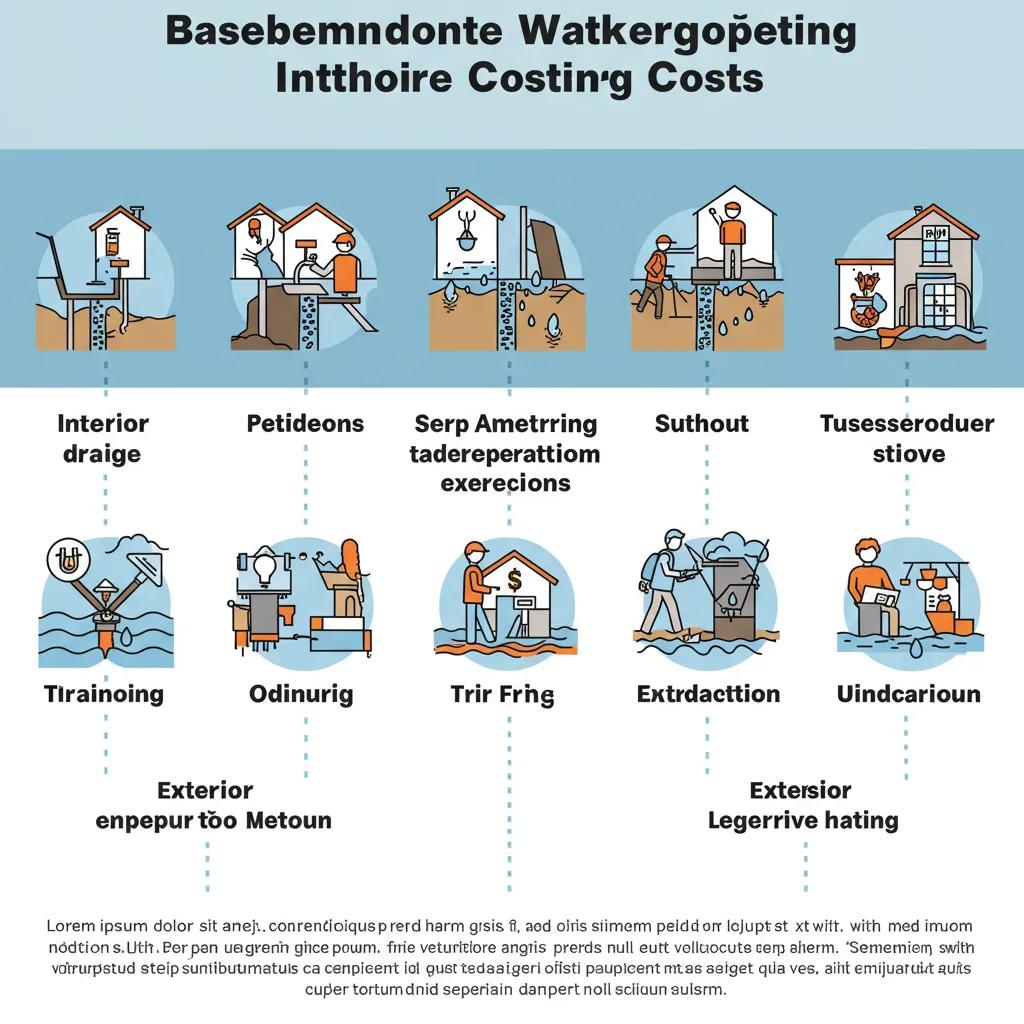
Basement waterproofing cost refers to the typical price homeowners pay to implement systems that stop water entry and control subsurface moisture; prices reflect the method, materials, and labor required. In Toledo, local factors push certain solutions toward the higher end of national ranges because clay soils and freeze-thaw cycles increase hydrostatic pressure and the likelihood of exterior excavation. Understanding average cost bands helps homeowners set realistic budgets and evaluate contractor proposals. Below is a concise comparison of common project types showing typical Toledo ranges alongside national averages to contextualize local pricing.
This comparison shows that basic interior systems remain more affordable, while full exterior excavation and membrane installation represent the largest single-ticket items. Local soil and site constraints often explain Toledo’s higher upper ranges.
How Do Toledo’s Local Climate and Soil Conditions Affect Waterproofing Prices?
Toledo’s climate and soil characteristics—seasonal freeze-thaw cycles, periodic heavy rainfall, and clay-rich soils—directly affect waterproofing scope and cost by increasing hydrostatic pressure around foundations. Clay soils hold water longer and expand/contract with freeze-thaw, which raises the frequency of foundation movement and widens cracks; remediation often requires more extensive fixes such as exterior excavation or structural repairs. These mechanisms mean contractors may recommend heavier-duty membranes, deeper excavation, or additional drainage redundancy, all of which increase materials and labor. Homeowners should expect inspectors to evaluate soil grading, downspout routing, and surrounding landscape as part of determining whether interior-only solutions are sufficient or exterior work is warranted.
What Are the Typical Price Ranges for Basement Waterproofing Services?
Typical price ranges depend on method, access, and whether structural repair is required; smaller interior drainage projects with a basic sump pump sit at the low end, while full exterior excavation with membrane and regrading is at the high end. For an unfinished 800–1,200 sq ft basement, basic interior drainage plus a standard sump pump usually falls in the mid-range, while finished basements requiring protective removal and reinstallation increase labor costs. Expensive projects often include restricted access, deep foundations, or combined foundation repair and waterproofing, which can substantially raise costs beyond standard bands. Knowing these typical bands helps homeowners differentiate reasonable quotes from outliers when comparing estimates.
What Factors Influence Your Basement Waterproofing Estimate in Toledo?
A waterproofing estimate reflects multiple interacting variables: the source and severity of the water problem, the selected method, basement size and finish level, site access and landscaping impact, and local labor and permitting costs. Each factor alters materials, time on site, and complexity; for example, a finished basement adds protection and restoration steps, while visible exterior pooling points to a need for comprehensive yard drainage fixes. Understanding these drivers empowers homeowners to ask focused questions during inspections and to compare bids on the same scope rather than price alone.
Key influences on an estimate include the following practical items homeowners should expect contractors to evaluate:
- Basement size, layout, and finished condition influence labor hours and protective measures required.
- Water source (seepage, active leaks, flooding) and hydrostatic pressure determine whether interior or exterior solutions are necessary.
- Soil type, grading, and downspout/discharge routing affect the need for excavation or regrading work.
- Accessibility and landscape repairs influence excavation costs and overall project duration.
These factors form the core of any accurate estimate, and confirming them during inspection reduces surprises later.
How Does Basement Size and Layout Impact Waterproofing Costs?
Basement square footage sets a baseline for materials and labor: larger areas require more drainage piping, more membrane material, and more labor hours to install interior channels or external membranes. Layout complexity—multiple rooms, stairwells, finished walls, and built-in cabinetry—adds time for careful demolition, protection, and restoration, which pushes projects toward the higher end of price ranges. Ceiling height and obstructions like HVAC or plumbing chases increase difficulty, translating into higher hourly costs or specialized access equipment. Homeowners should compare cost-per-square-foot estimates alongside specific line items so they can see where complexity drives price.
How Do Waterproofing Methods and Severity of Water Damage Affect Pricing?
Methods range from simple crack sealing to interior drainage systems and full exterior excavation with membrane and backfill; severity of damage often dictates the chosen method and therefore the price. Minor hairline cracks and dampness may be solved with epoxy or sealant injections and improved interior drainage, typically lower-cost fixes. By contrast, active seepage under hydrostatic pressure or structural foundation movement often requires exterior excavation, waterproof membranes, and possible foundation repair—these are the highest-cost scenarios. Selecting the right method is a balance of immediate symptom control, long-term durability, and budget, and inspectors should explain tradeoffs clearly in written estimates.
How Do Interior and Exterior Waterproofing Costs Compare? Which Is Best for Your Toledo Home?
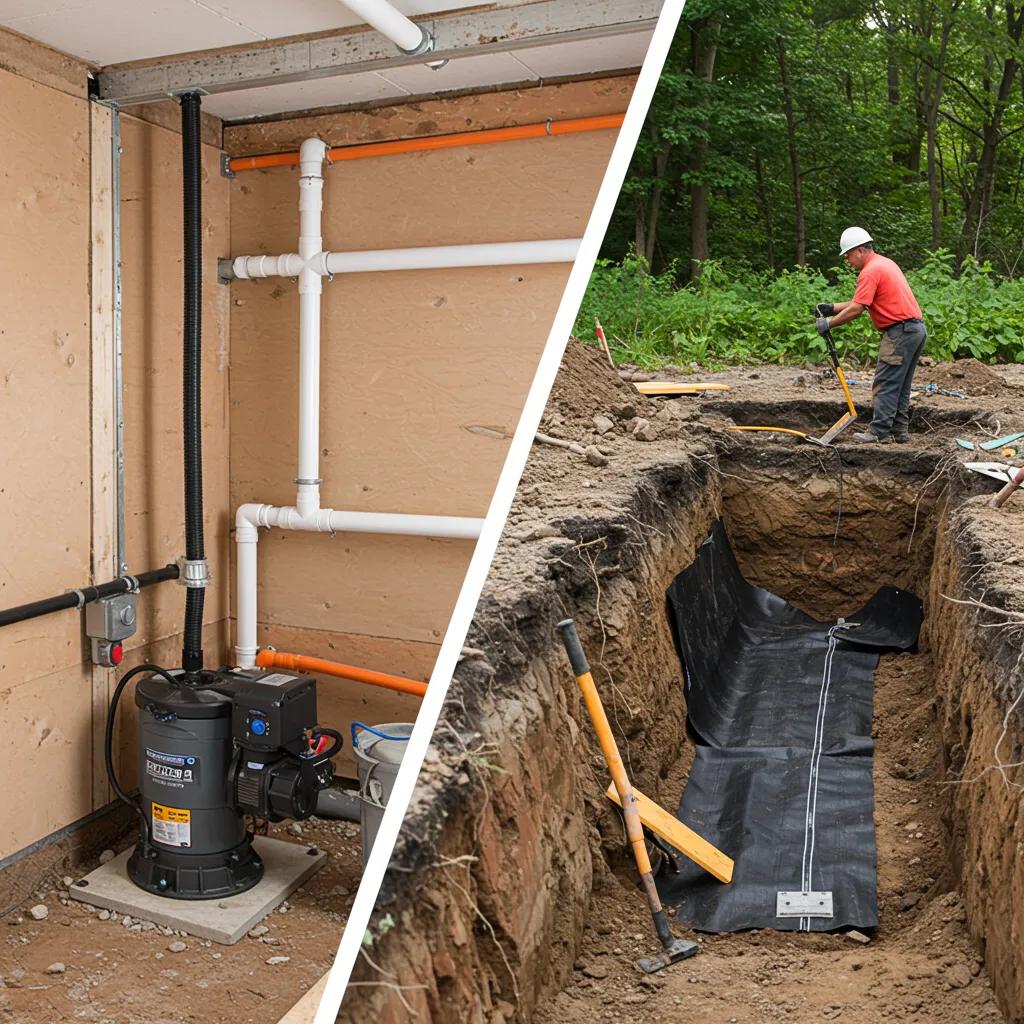
Interior waterproofing typically involves channeling water to an interior drain and sump pump, while exterior systems focus on stopping water before it reaches the foundation via excavation and membrane; cost, disruption, and permanence differ between these approaches. Interior systems generally cost less and create less yard disruption, offering effective control for many seepage and minor leak scenarios. Exterior systems are more expensive because they require excavation, heavier materials, and landscape restoration, but they address the root cause and are favored when hydrostatic pressure or exterior failure is the primary source of leaks. Choosing between them requires an assessment of source, severity, landscape, and long-term risk tolerance for the property.
This table summarizes method differences, typical cost bands, and pros/cons to help homeowners decide which option suits Toledo conditions.
This comparison clarifies when each method is appropriate: interior systems for manageable interior water and exterior systems when hydrostatic pressure or outward failure is present.
What Are the Cost Differences Between Interior and Exterior Waterproofing?
Interior systems concentrate on moving water that enters into the basement to a sump that discharges it away; because they avoid excavation they are materially and labor-wise less expensive. Exterior excavation adds cost for soil removal, membrane materials, deeper footings, and landscape restoration, placing full exterior solutions at multiple times the price of interior-only fixes. Exceptions to the cost rule occur when repeated interior repairs are required over time; recurring interior maintenance can exceed the one-time expense of a permanent exterior solution. Homeowners should weigh upfront cost versus long-term effectiveness and solicit written comparisons of lifetime expectations in contractor estimates.
Understanding the various waterproofing techniques and their associated costs is crucial for making an informed decision.
Below-Grade Waterproofing Manual: Methods, Costs, and History
The manual of below-grade waterproofing discusses the importance of proper waterproofing for basements and foundations. It covers various methods and materials used in waterproofing, as well as the factors that influence the cost of such projects. The book also touches upon the historical context of waterproofing, noting how costs have changed over time.
What Are the Benefits and Limitations of Each Waterproofing Method?
Interior approaches benefit from lower immediate cost and faster installation but may require ongoing maintenance of sump pumps and do not always prevent water from hitting the foundation exterior. Exterior systems reduce long-term risk by stopping water at the source and protecting foundation materials, but they bring higher cost and significant landscape disruption during installation. Crack injection is an economical first step for small static cracks but will not resolve issues caused by soil pressure or active structural movement. Selecting the right method should be based on inspection findings, cost-benefit analysis, and the homeowner’s preference for permanence versus disruption.
What Are the Costs of Related Basement Waterproofing Services in Toledo?
Related services—crack repair, sump pump and battery-backup installation, French drains, crawl space encapsulation, and foundation repair—are often necessary components of a complete waterproofing solution and each adds discrete costs. When multiple services are combined, economies of scale sometimes reduce per-item expense but increase overall project totals; for example, installing interior drainage and a sump pump together is typically cheaper than doing them separately at different times. The table below lists common service components, typical Toledo cost ranges, and the most frequent cost drivers so homeowners can estimate budgets for multi-service projects and understand why quotes differ.
When assessing quotes, note whether the contractor includes necessary electrical work for sump pumps, warranty terms, and any post-installation restoration; those line items often explain price differences between bids. TAF Basement Waterproofing can provide these services and offers free, no-obligation estimates so Toledo homeowners can compare written scopes and pricing before committing to work.
How Much Does Basement Crack Repair Cost in Toledo?
Crack repair costs vary from inexpensive cosmetic sealing to much higher-priced structural epoxy injection and foundation stabilization; the right approach depends on crack type and the presence of active movement. Hairline and static cracks that only allow minor seepage often receive sealant or polyurethane injections at lower cost, while wider cracks with evidence of movement may require epoxy injections, underpinning, or foundation repair that significantly increases price. Indicators that suggest higher-cost structural work include lateral wall bowing, stair-step foundation cracks, or recurring widening over time. Homeowners should insist on documented diagnosis and a clear explanation of why a chosen repair method is recommended.
The choice of waterproofing method significantly impacts both cost and long-term effectiveness.
Comparing Waterproofing Techniques: Cost, Durability, and Ease of Application
The objective of this study is to compare the different waterproofing techniques by considering factors such as cost, durability and ease of application. Conventional waterproofing techniques are those that have been used for a long time and are well-established. Modern waterproofing techniques are those that have been developed recently and are based on new technologies.
What Is the Price Range for Sump Pump Installation and French Drain Systems?
Sump pump installation prices depend on pump quality, the need for battery backup, required pit excavation, and electrical hookup; basic installations sit at the low end of typical ranges, while premium units and battery backups add to cost. Interior French drains routed to a sump are a common mid-range solution that redirects water without exterior excavation, but finished basements add protective demolition and restoration costs. Discharge routing—finding a place to safely expel water without causing neighbor or yard issues—can also add expense when long piping or municipal connections are necessary. Regular maintenance and the addition of a battery backup are recommended to protect against sump failure during power outages.
Is Basement Waterproofing Worth the Investment? What ROI Can Toledo Homeowners Expect?
Yes—basement waterproofing is generally worth the investment because it prevents costly structural repairs, reduces mold risk, and improves habitability; financially, homeowners can often recoup a significant portion of the expense through avoided repairs and improved marketability. Estimates of ROI vary by market and scope, but preventative waterproofing commonly protects homeowners from five-figure replacement costs later and can improve buyer confidence during resale. Non-financial returns—health benefits from mold prevention, protected belongings, and lower insurance risk—also contribute to the overall value proposition. Below are the primary benefits to consider when weighing investment versus deferred repair.
Waterproofing delivers several direct and indirect returns:
- Prevents Structural Damage: Proper drainage and membranes protect foundations from long-term deterioration.
- Reduces Mold and Health Risks: Controlling moisture cuts the chance for mold growth and related remediation expenses.
- Improves Saleability: A dry, certified basement reduces inspection objections and increases buyer confidence.
After understanding these benefits, homeowners often find that spending for a durable solution now avoids much larger expenditures later and enhances livable square footage in the home.
How Does Waterproofing Prevent Mold, Water Damage, and Structural Issues?
Waterproofing prevents mold and water damage by eliminating the moisture sources that feed biological growth and by managing hydrostatic pressure that forces water through cracks and porous materials. Once standing or seeping water is controlled via drainage channels, sump pumps, exterior membranes, or regrading, drywall, insulation, and mechanical systems avoid prolonged damp conditions that promote mold within 24–48 hours. Structural issues such as bowed walls or undermined footings are mitigated when proper drainage reduces soil saturation and pressure on foundation walls. The mechanism is straightforward: remove the water or redirect it away and the chain of damage, decay, and mold growth stops.
How Much Can Basement Waterproofing Increase Your Property Value?
Waterproofing can increase property value through added usable square footage, reduced inspection issues, and improved buyer confidence; while precise uplift varies, sellers commonly realize better offers and faster sales when basements are dry and certified. A commonly cited practical estimate places potential value retention or increase in the low-to-mid tens of percent of the project cost depending on local market conditions, but the stronger financial argument is avoiding large remediation and structural repair bills. Additionally, documented waterproofing work and warranties make a property more financeable and attractive during negotiations, helping sellers capture a greater share of the investment at sale.
At this point, homeowners convinced by ROI often seek professional inspection and written proposals; for Toledo residents, TAF Basement Waterproofing offers free estimates and local expertise to translate inspection findings into clear options.
How Can You Get a Free, Accurate Basement Waterproofing Estimate from TAF in Toledo?
TAF Basement Waterproofing provides a free, no-obligation inspection and written estimate to help Toledo homeowners understand the scope and cost of recommended waterproofing solutions, including interior drainage, exterior membranes, sump pump systems, and related repairs. The company emphasizes licensed and insured service delivery and flexible payment plans to make necessary work affordable while reducing homeowner risk. A clear step-by-step inspection process ensures homeowners receive a focused diagnosis, recommended options with projected cost ranges, and documentation to compare bids. Below is what homeowners should expect during a professional free inspection and the practical steps TAF follows to produce an accurate estimate.
Expect this inspection flow when scheduling a free estimate:
- Visual interior inspection: Assessing walls, floors, and signs of moisture or efflorescence.
- Exterior assessment: Reviewing grading, downspouts, and visible foundation conditions.
- Moisture testing and diagnosis: Using dampness indicators and probe testing to locate sources.
- Written recommendations and estimate: Providing options (interior vs exterior) with transparent pricing and next steps.
These steps help homeowners compare specific remedies and understand trade-offs before deciding. TAF’s written estimates explain recommended systems, outline restoration responsibilities, and present available flexible payment options, allowing homeowners to make informed choices without pressure.
What Should You Expect During a Free Waterproofing Inspection?
During a free inspection expect a systematic evaluation that documents moisture sources, structural indicators, and landscape factors; the contractor should provide a written scope, photos, and a clear recommendation for interior or exterior solutions. Typical inspection duration is about 30–90 minutes depending on complexity, and homeowners should prepare by clearing access to basement walls, noting past leaks, and gathering any previous inspection reports. The deliverable should include cost options, a prioritized action plan, and an explanation of warranties or maintenance expectations. A thorough inspection reduces the risk of costly surprises and helps align homeowner expectations with realistic pricing.
How Do Flexible Payment Plans and Licensed Services Affect Your Decision?
Flexible payment plans make comprehensive waterproofing solutions accessible without forcing homeowners to choose inferior short-term fixes; financing options can spread cost over time while delivering long-term protection. Verifying licensing and insurance reduces contractor risk and improves recourse if problems arise; homeowners should request proof of local licensing and insurance coverage relevant to Toledo work. Because some online listings reference out-of-state credentials, it’s important to confirm Ohio-specific licensing and insurance during contracting to ensure compliance with local permitting and oversight. Choosing a licensed, insured contractor with clear financing options balances affordability and protection for the homeowner.
For Toledo homeowners ready to compare options, scheduling a free, no-obligation estimate is the practical next step to get tailored pricing and documented recommendations from a local provider offering flexible payment plans and licensed, insured workmanship.
Frequently Asked Questions
Conclusion
Investing in basement waterproofing not only protects your home from water damage but also enhances its overall value and livability. By understanding the costs and methods available, Toledo homeowners can make informed decisions that prevent future issues and save money in the long run. Take the first step towards a dry and secure basement by scheduling a free, no-obligation estimate with a trusted local provider. Explore your options today to ensure your home remains a safe and comfortable space for years to come.