
How Foundation Cracks Lead to Water Problems: Understanding and Preventing Water Damage from Foundation Cracks
Foundation cracks pose a direct pathway for groundwater to invade basements and crawl spaces, compromising structural integrity and indoor air quality. When hydrostatic pressure, soil movement, poor drainage, freeze-thaw cycles, or settlement induce fissures in concrete, water migration can begin within hours. In this guide, we explore what causes water to enter through foundation cracks, the crack types most prone to leaks, warning signs of moisture intrusion, professional waterproofing solutions, targeted repair methods, homeowner prevention tactics, and cost and insurance considerations. By understanding how foundation cracks lead to water problems, Toledo homeowners and commercial property owners can take informed steps toward lasting protection and peace of mind. We at TAF Basement Waterproofing specialize in comprehensive basement waterproofing Toledo solutions.
Causes of Water Entry Through Foundation Cracks
Water enters through foundation cracks when external forces and material vulnerabilities combine to open pathways in concrete walls. Cracks form under uneven pressure or movement, and any breach becomes a conduit for moisture. Today’s Toledo soils, often rich in expansive clay, intensify these pressures and raise the likelihood of water intrusion into basements and crawl spaces. Our team understands these local conditions and provides expert basement waterproofing Toledo services.
Addressing these foundation issues is crucial for maintaining a dry home.
Before examining specific causes, the following table maps major factors, their mechanisms, and the consequences for water migration:
These mechanisms often act in concert, compounding stress on foundation walls and creating entry points for water. Next, we’ll examine each primary cause in detail.
Hydrostatic Pressure Causes Basement Leaks
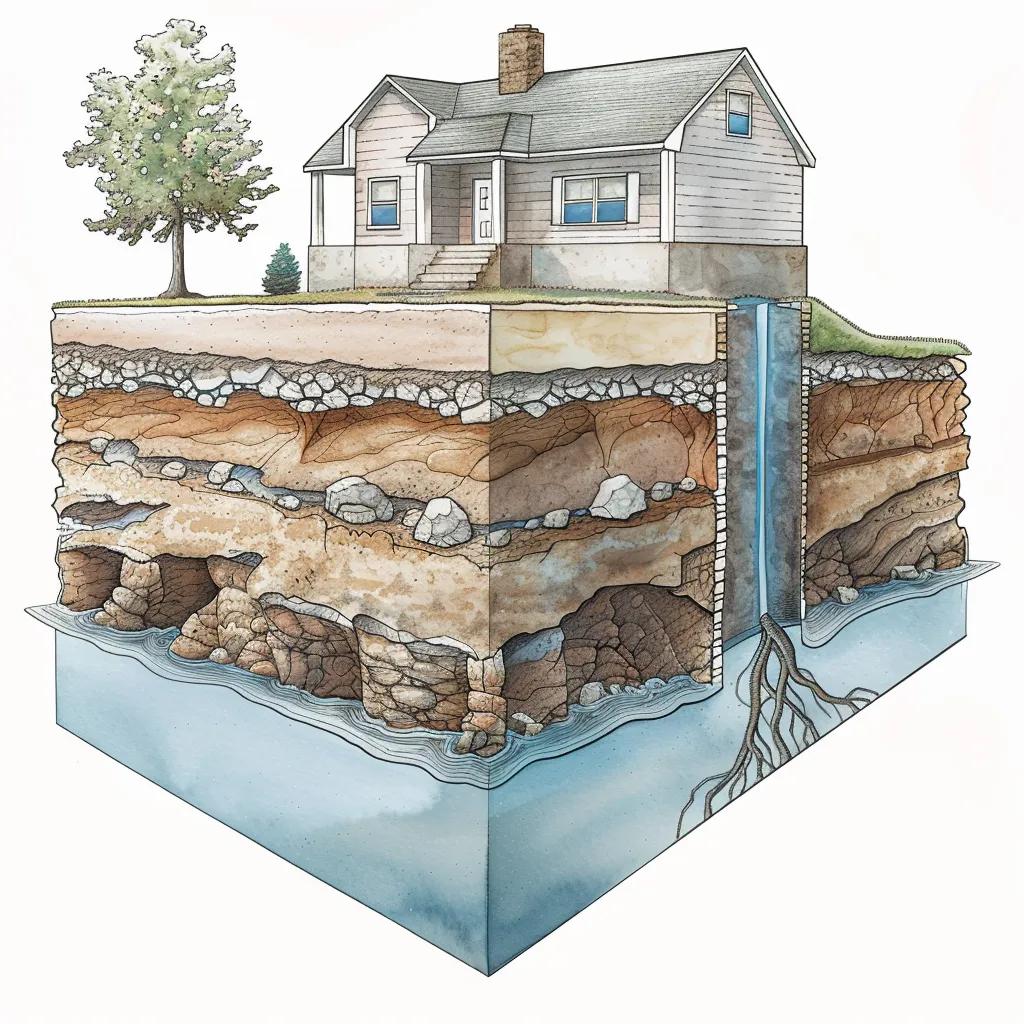
Hydrostatic pressure occurs when groundwater accumulates against foundation walls and exerts inward force, gradually widening existing cracks and forcing moisture through porous concrete. This relentless pressure can drive water into even minor fissures, creating damp patches on basement floors and walls. Our expertise in basement waterproofing Toledo helps combat these persistent leaks.
Key factors in hydrostatic pressure-driven leaks include:
- Groundwater table rises after heavy rains or snowmelt
- Saturated soils push laterally against basement walls
- Pressurized water seeks the path of least resistance
Hydrostatic pressure thus drives water through foundation fissures, setting the stage for persistent basement leaks. Our basement waterproofing Toledo expertise effectively addresses these issues.
Soil Expansion and Contraction Play a Role in Foundation Cracks
Soil expansion and contraction in Toledo’s clay-rich ground stress foundations through continual volume changes, leading to crack initiation and propagation. When clay swells with moisture, it exerts upward and lateral forces; on drying, it shrinks away, leaving voids under footing edges. Understanding these foundation problems is key to preventing future damage.
Critical steps in soil movement impact:
- Wet season swelling applies pressure at the base of walls.
- Dry periods create gaps and uneven support.
- Repeated cycles fatigue concrete, resulting in horizontal and stair-step cracks.
Understanding soil behavior is essential to preventing new cracks and limiting water intrusion from foundation movement.
Poor Drainage and Grading Issues Lead to Water Problems
Inadequate grading or clogged gutters concentrate stormwater along foundation perimeters, raising soil moisture and increasing lateral pressure on walls. When the ground slopes toward the house, runoff pools at the foundation line and soaks into cracks. We help homeowners in Toledo address these common drainage issues.
Primary drainage failures include:
- Downspouts discharging within 3 feet of the foundation
- Soil grading that slopes toward, rather than away from, walls
- Blocked surface drains and gutters, allowing roof runoff to pond
Correcting drainage and grading prevents surface water accumulation and reduces the risk of foundation leaks.
Freeze-Thaw Cycles Affect Foundation Integrity
Freeze-thaw cycles generate internal stresses as water within micro-cracks freezes, expands by roughly 9%, and then thaws, contracting the ice. This cycle repeatedly enlarges fissures in concrete and masonry. Our team works to mitigate the effects of these cycles on your foundation.
Freeze-thaw impacts include:
- Crack widening from ice expansion pressure
- Surface scaling and spalling that expose deeper concrete layers
- Accelerated deterioration of waterproof coatings
Managing moisture and insulating exterior walls minimizes freeze-thaw damage and limits new crack formation.
Foundation Settlement Causes Cracks
Foundation settlement arises when bearing soils compress unevenly under structural loads, creating differential movement that fractures concrete. Settlement cracks often appear as vertical or diagonal lines near load-bearing corners. Addressing these foundation issues is vital for structural stability.
Settlement processes involve:
- Soil compaction under heavy footings
- Organic material decomposition beneath slab edges
- Overloading from renovations or added stories
Preventing settlement through proper soil compaction and support piers reduces stress fractures and associated water intrusion.
Foundation Crack Types That Commonly Lead to Water Leaks
Different crack patterns indicate specific stresses and water-entry risks. Recognizing crack types guides repair and waterproofing strategies to stop leaks at their source. Our expertise helps identify the most common foundation water damage culprits.
Below is a comparative overview of common crack types and their water damage potential:
This breakdown clarifies which fissures demand immediate attention and specialized solutions.
Vertical Foundation Cracks Often Leak Water
Vertical foundation cracks form along settlement planes or shrinkage joints and act as direct conduits for groundwater under pressure. They typically develop when concrete cures unevenly or soils shift laterally. We offer effective solutions for these common leaks.
Key attributes of vertical cracks:
- Appear in straight lines from the footing to the wall top
- Non-structural but leak-prone under lateral pressure
- Suitable for epoxy or polyurethane injection sealing
Addressing vertical cracks promptly prevents persistent seepage and scale buildup.
Horizontal Cracks Are Linked to Serious Water and Structural Issues
Horizontal cracks signal excessive lateral soil pressure, which can cause basement walls to bow inward and permit significant water intrusion. These fissures often occur midway up the wall, where pressure concentrates. These are serious foundation problems that require immediate attention.
Horizontal crack indicators:
- Crack alignment parallel to the floor slab
- Bulging or bowing wall sections near the crack
- High risk of structural compromise and flooding
Repair methods for horizontal cracks include carbon fiber reinforcement and exterior anchoring systems to resist further bowing and stop leaks.
Stair-Step Cracks and Their Water Damage Risks
Stair-step cracks follow mortar joints in block foundation walls and develop as individual blocks move under uneven load or frost pressure. Water can penetrate at each joint, bypassing waterproof coatings. Our team is adept at addressing these types of foundation water damage.
Stair-step crack characteristics:
- Zig-zag pattern through mortar lines
- Common in older block foundations
- Risk of spalling and joint erosion
Proper repointing combined with interior drain tile systems mitigates water seepage through stair-step fissures.
Hairline Cracks Can Cause Water Seepage
Hairline cracks, though narrow, provide capillary pathways for moisture to travel through concrete. Over time, mineral deposits and freeze-thaw expansion can widen these cracks and amplify leaks. Early detection and repair are key to preventing further foundation issues.
Considerations for hairline cracks:
- Invisible from the exterior until leaks appear inside
- Best treated with penetrating sealers or fine epoxy injection
- Early repair prevents bigger fissures and wall damage
Proactive sealing of hairline cracks preserves foundation integrity and deters minor seepage from becoming major leaks.
Signs of Water Damage from Foundation Cracks in Your Home
Detecting early warning signs of water intrusion from foundation cracks enables timely interventions that prevent mold growth and structural harm. Look for both direct moisture evidence and indirect indicators of excess humidity or shifting walls. Our team at TAF Basement Waterproofing is trained to spot all signs of foundation water damage.
Common signs of damage include:
- Visible water stains, damp spots, or active drips on walls and floors.
- Mold, mildew, and musty odors in basements or crawl spaces.
- Efflorescence – white, powdery mineral deposits on concrete surfaces.
- Bowing walls, sticking doors, and uneven floors indicate structural stress.
Monitoring these signs ensures that small cracks and leaks are addressed before damage escalates.
Spotting Visible Leaks and Dampness in Basements or Crawl Spaces
Visible leaks manifest as dark streaks or standing water along foundation joints, while persistent dampness may leave floors permanently wet and walls discoloring. Adequate lighting and close inspection help identify these problem areas. We provide thorough inspections to pinpoint all sources of moisture.
Inspection tips:
- Track moisture patterns after heavy rain events
- Check corners and low spots where water pools
- Use a moisture meter for precise readings
Spotting leaks early leads to targeted waterproofing measures that stop moisture at the source.
Mold, Mildew, and Musty Odors Indicate Water Problems
Mold and mildew thrive in damp confined spaces, and a persistent musty smell signals chronic moisture intrusion. These biological indicators often appear within walls or behind stored items before visible water. Addressing these issues is part of our comprehensive approach to foundation crack repair.
Mold-related clues:
- Black or green patches on walls and objects
- Allergic reactions or respiratory discomfort
- Rust or metal corrosion near damp areas
Addressing mold sources requires both crack sealing and controlled humidity through proper waterproofing systems.
Efflorescence Signals Water Intrusion
Efflorescence appears as a white, powdery residue on concrete walls when water dissolves soluble salts and carries them to the surface. Its presence confirms groundwater movement through foundation materials. This is a clear indicator of potential foundation water damage.
Efflorescence factors:
- Occurs along crack lines and mortar joints
- Disappears when the moisture source is removed
- Indicates need for improved drainage and sealing
Removing efflorescence and its underlying moisture source restores a dry, stable basement environment.
Structural Signs Like Bowing Walls or Sticking Doors Reveal Water Damage
Structural indicators such as inward-bowing walls, warping floors, and doors that stick in their frames often result from soil pressure and moisture-induced settlement. These signs point to cracks widening beneath the surface. These are critical indicators of underlying foundation problems.
Key structural clues:
- Walls with bulges or curves visible from floor level
- Doors and windows binding or jamming unexpectedly
- Uneven floor slabs with localized dips
Recognizing these symptoms prompts professional evaluation and foundation stabilization.
Professional Basement Waterproofing Prevents Water Problems from Foundation Cracks
Professional basement waterproofing integrates multiple barriers and drainage solutions to intercept water before it reaches cracks and to manage any moisture that does enter. A comprehensive approach combines interior and exterior methods tailored to each foundation’s unique conditions. Our team at TAF Basement Waterproofing is your trusted partner for effective basement waterproofing Toledo solutions, ensuring your foundation is protected.
Interior Drainage Systems Manage Water Intrusion
Interior drainage systems, such as perimeter drain tile tied to a sump pump, capture groundwater before it reaches interior walls. Collected water is diverted away from the foundation, ensuring consistent dryness below grade. This is a key part of our foundation crack repair strategy.
Key components of interior drainage:
- Slotted PVC drain pipes installed along footing edges
- Gravel and geotextile filter layers to prevent clogging
- Automatic sump pump with battery backup for continuous operation
By channeling water to a safe discharge point, interior drainage stops leaks and safeguards finished basements.
Exterior Waterproofing Methods Protect Foundations
Exterior waterproofing involves excavating around the foundation to apply waterproof membranes, bentonite clay panels, or drainage boards that block moisture at its source. Combined with exterior drain pipes, this method relieves hydrostatic pressure. This is a robust solution for severe foundation water damage.
Exterior waterproofing features:
- Seamless polymeric membranes adhered to foundation walls
- High-diffusion drainage mats to direct water downward
- Backfill with free-draining aggregate for rapid runoff
This robust barrier prevents water from entering through cracks and protects foundation surfaces long-term.
Foundation Crack Injection Stops Leaks
Foundation crack injection uses low-viscosity epoxy or polyurethane resins to seal fissures from within, restoring concrete integrity and preventing water passage. Epoxy strengthens the concrete, while polyurethane expands to fill voids and remains flexible. This is a precise method for foundation crack repair.
Injection process steps:
- Clean and prepare crack surfaces for optimal adhesion.
- Install injection ports along the crack at regular intervals.
- Inject resin under pressure until the crack is fully sealed.
Crack injection delivers a permanent seal that stops active leaks and enhances foundation durability.
Crawl Space Encapsulation Prevents Water Damage
Crawl space encapsulation involves sealing the entire crawl area with a heavy-duty vapor barrier attached to the walls and floor, combined with conditioned air circulation or dehumidification. This approach blocks ground moisture and airborne humidity from rising into occupied areas. It’s an effective way to prevent foundation water damage in these often overlooked spaces.
Encapsulation benefits:
- Continuous moisture barrier across soil and block walls
- Controlled ventilation reduces condensation and mold growth
- Improved energy efficiency through conditioned space
Encapsulated crawl spaces remain dry, healthy, and free from water-related structural issues.
Foundation Repair Methods Address Water Problems Caused by Cracks
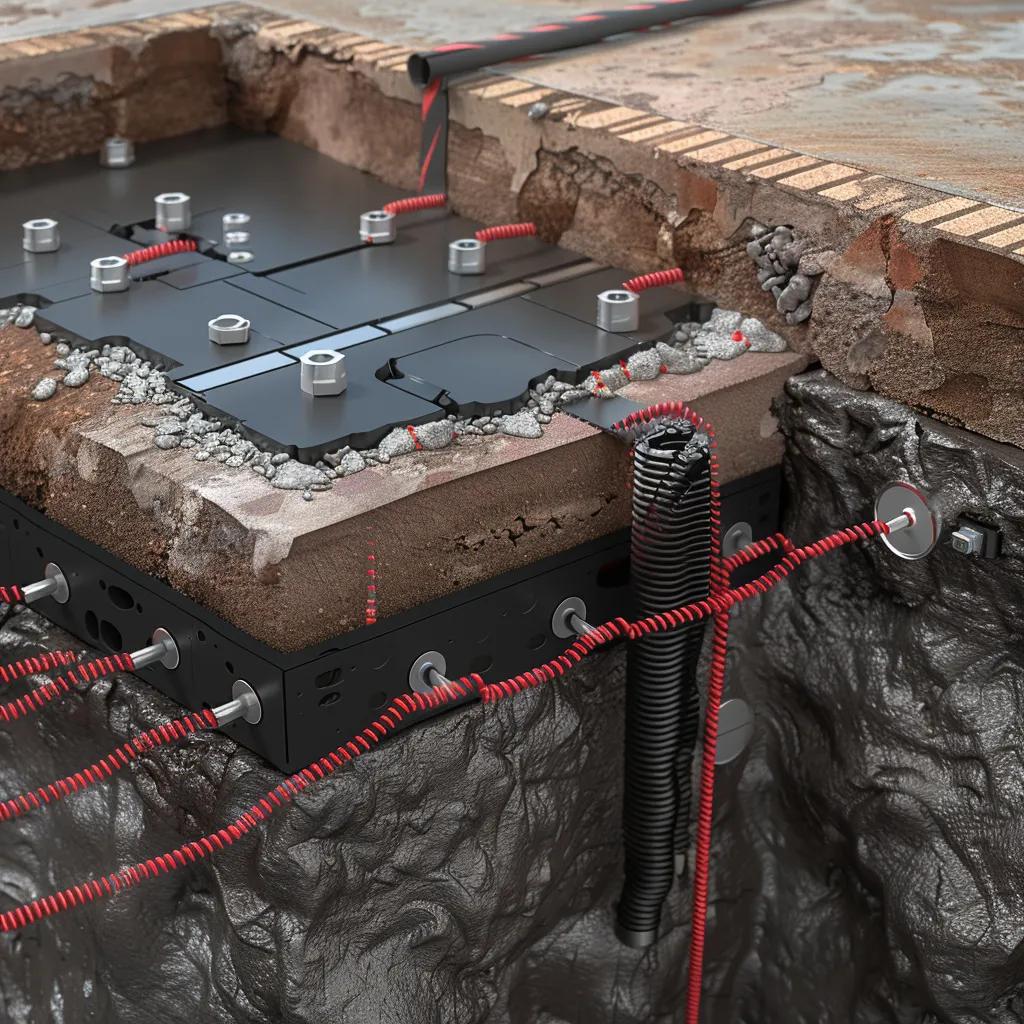
When cracks compromise structural stability or leaks persist despite waterproofing, foundation repair specialists employ reinforcement and underpinning techniques to restore alignment and strength. These methods also prevent further water migration by closing voids and stabilizing walls. Our team excels in these critical foundation crack repair services.
Common repair solutions include:
- Carbon fiber straps for bowing walls
- Wall anchors and helical piers for lateral support
- Professional concrete crack repair for surface restoration
Each method targets specific failure modes to correct movement and halt leak recurrence.
Carbon Fiber Straps Reinforce Bowing Basement Walls
Carbon fiber straps are lightweight, high-tensile strips bonded to interior wall surfaces to resist inward movement and stabilize bowed walls. These straps provide permanent reinforcement without excavation, making them an excellent solution for addressing foundation issues that lead to bowing.
Carbon fiber reinforcement features:
- High strength-to-weight ratio, preventing further bowing
- Thin profile preserves interior space
- Rapid installation with minimal disruption
By reinforcing weak wall sections, carbon fiber straps both improve structural integrity and reduce crack widths that permit water entry.
Wall Anchors and Helical Piers Provide Support
Wall anchors and helical piers address severe lateral and settlement issues by transferring foundation loads to stable soil layers or bedrock. Anchors tie wall panels to exterior soil, while helical piers underpin footings from below. These are essential for correcting significant foundation problems.
Underpinning techniques:
- Exterior wall anchors with steel rods and plates to pull walls outward
- Helical piers are screwed deep into load-bearing strata to support footings
- Adjustable systems that allow post-installation alignment corrections
These engineered solutions stabilize foundations, close stress cracks, and reduce water infiltration caused by movement.
Concrete Foundation Cracks Are Professionally Repaired
Concrete crack repair involves cleaning, grinding, and sealing cracks with specialized fillers or patching compounds that bond firmly to existing material. Professionals tailor repair mixtures to each crack’s width and depth. Our commitment to quality ensures effective foundation crack repair.
Repair workflow:
- Remove loose debris and widen cracks for proper filler penetration.
- Apply a bonding agent to improve adhesion.
- Fill with industrial-grade repair mortar or epoxy paste.
Proper crack repair restores a uniform barrier against water migration and prepares walls for additional waterproofing.
Homeowner Prevention of Water Damage from Foundation Cracks
Proactive maintenance and sensible landscaping practices minimize water exposure and stress on foundations, reducing the risk of crack formation and moisture intrusion. By managing roof runoff, soil grading, and routine inspections, homeowners can extend foundation life and preserve dryness. Our experienced basement waterproofing Toledo technicians emphasize these preventive measures as part of our holistic approach to managing foundation issues.
Preventive measures focus on:
- Proper gutter and downspout management
- Landscape grading away from the foundation
- Regular professional foundation inspections
These steps create a permanent moisture-managed environment around the foundation and deter future leaks.
Proper Gutter and Downspout Management Is Essential
Keeping gutters clean and directing downspouts at least 5 feet from the foundation prevents roof runoff from pooling near basement walls. This critical step diverts surface water away and reduces lateral soil saturation. This is a simple yet effective way to prevent foundation water damage.
Gutter system best practices:
- Clean debris at least twice a year to ensure free flow
- Install downspout extenders or splash blocks to channel water away
- Check for leaks, pitch issues, and proper alignment
Effective gutter management significantly lowers the volume of water exerting pressure on foundation walls.
Landscape Grading Improves Drainage Around Foundations
Grading the soil surface to slope away from the house at a minimum 5% gradient over the first 10 feet ensures surface water runs downhill instead of toward walls. Proper grading removes standing water and prevents long-term saturation. This is a crucial step in preventing foundation problems.
Grading considerations:
- Use topsoil to build a smooth slope directing water away
- Avoid planting beds or walkways that channel water toward the foundation
- Incorporate french drains or dry creek beds in low-lying areas
Well-graded landscaping reduces groundwater levels around the foundation and limits crack-inducing soil pressure.
Schedule Foundation Inspections Regularly
Scheduling a professional foundation inspection every 3 to 5 years, or after major weather events, enables early detection of emerging cracks and moisture issues. Regular assessments preserve structural integrity and catch water problems before they escalate. Our team is always ready to perform these vital checks to address potential foundation issues.
Inspection guidelines:
- Examine both interior and exterior walls for new fissures
- Use moisture meters to detect hidden dampness
- Review grading, gutter systems, and visible waterproofing features
Routine inspections support preventive maintenance and ensure lasting protection against water intrusion.
Costs and Insurance Considerations for Repairing Water Damage from Foundation Cracks
Repairing water damage from foundation cracks involves upfront investment and potential insurance questions. Understanding typical costs, coverage options, and the threshold for professional intervention helps property owners plan budgets and avoid unexpected expenses. We aim to provide clarity on the costs associated with foundation crack repair.
Cost and insurance factors include:
- Average repairs range from minor crack sealing ($500–$1,500) to full waterproofing systems ($5,000–$15,000).
- Homeowners insurance often excludes gradual water intrusion but may cover sudden, accidental damage.
- Professional repairs are recommended when cracks exceed 1/8 inch, leaks persist after DIY attempts, or structural movement is evident.
Typical Costs to Fix Leaking Foundation Cracks
Minor crack injections with epoxy or polyurethane typically cost between $500 and $1,500, while comprehensive interior drainage and sump pump installations can range from $5,000 to $10,000. Exterior membrane applications may add $3,000 to $7,000 depending on excavation depth and soil conditions. These costs reflect the investment needed to address foundation water damage effectively.
Key cost drivers:
- Crack width, length, and accessibility
- Scope of waterproofing system (interior vs. exterior)
- Local labor rates and material requirements
Budgeting for quality materials and experienced technicians ensures durable repairs and long-term savings.
Homeowners Insurance Coverage for Water Damage from Foundation Cracks
Homeowners insurance policies generally exclude coverage for water intrusion caused by wear and tear or lack of maintenance, but they may cover sudden events like pipe bursts or flash flooding. Policyholders should review endorsements for basement flood or water backup protection. Understanding your policy is crucial when dealing with foundation water damage.
Insurance considerations:
- Look for specific “sump pump failure” or “water backup” riders
- Document the cause and timing of damage for claims support
- Maintain records of professional inspections and repairs
Understanding policy language and endorsements helps property owners obtain maximum coverage.
Professional Repair Recommended Over DIY Solutions
Professional foundation repair is advised when crack widths exceed 1/8 inch, leaks recur after sealant application, or walls exhibit bowing and settlement. DIY methods often address symptoms but fail to treat underlying pressure and structural issues. We strongly recommend professional services for significant foundation problems.
Professional vs. DIY triggers:
- Visible wall movement or bulging
- Persistent moisture after surface patching
- Uncertain soil or drainage conditions underfoot
Engaging certified foundation specialists ensures root-cause solutions that restore safety and dryness.
Foundation cracks are more than cosmetic faults—left unchecked, they invite water problems that threaten structural stability, indoor air quality, and property value. Understanding the forces behind each crack, recognizing early signs of moisture intrusion, and investing in professional waterproofing and repair methods safeguard Toledo basements against costly damage. Homeowners who manage grading, gutters, and routine inspections create a proactive defense system that deters new fissures and leaks. For reliable, locally tailored solutions and lasting peace of mind, schedule your free inspection with TAF Basement Waterproofing Toledo today!
Ready for a Dry, Secure Basement?
Don’t let foundation cracks compromise your home’s integrity. Our expert team is here to provide top-tier basement waterproofing in Toledo.